
Choosing a restaurant used to mean asking a friend, walking past the window, or taking a chance because the place smelled good. Now, most people check the rating first. That is useful, but it can also be a little dangerous.
A shiny 4.8 score can hide weak service, outdated photos, fake praise, or one very loud crowd of tourists. The trick is not to ignore online restaurant reviews.
It is to read them with a sharper eye, the way you would skim a menu before ordering.
Why the Rating Alone Is a Weak Shortcut
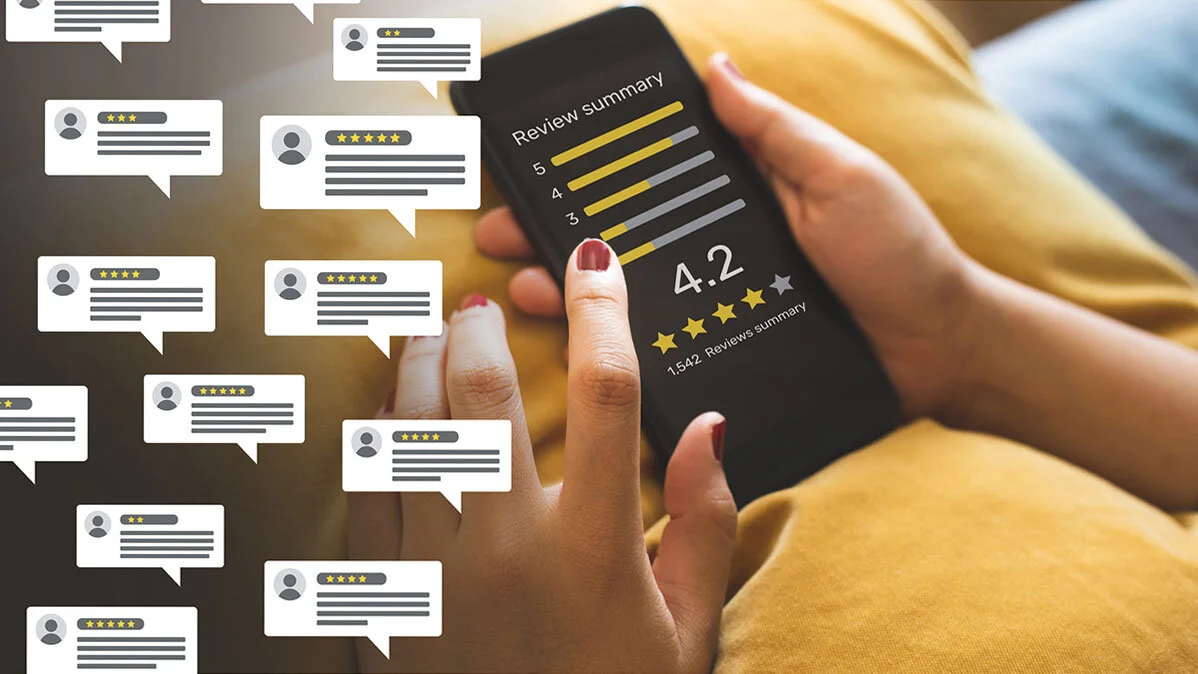
A restaurant rating is an average, not a full story. That sounds obvious, but most of us still react emotionally to the number. A 4.7 feels safe. A 3.9 feels risky. Yet the gap may come from review volume, local expectations, timing, or a few dramatic complaints that do not match the usual experience.
For tech and business readers, think of ratings as a dashboard metric. Useful, not enough by itself. You would not judge a website only by traffic, so do not judge a restaurant only by stars. The real value is in the pattern behind the score, especially when the comments, photos, and recent activity all point in the same direction.
Start With Review Volume and Recency
Source: embedsocial.com
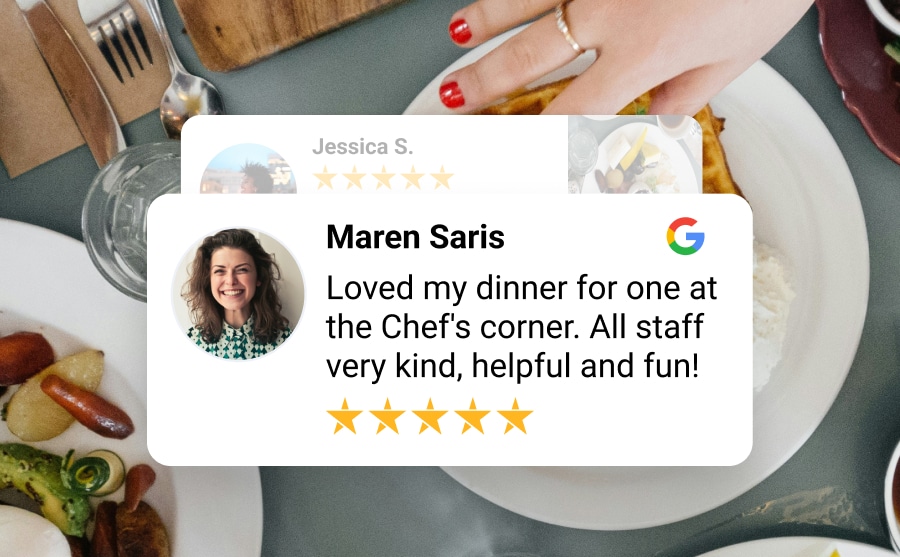
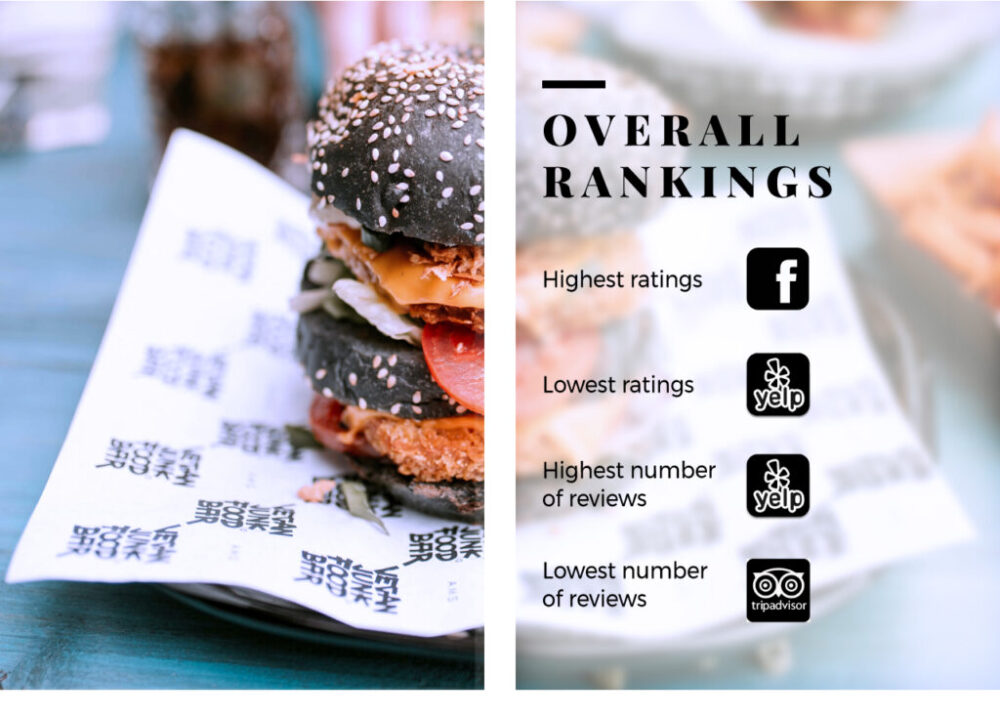
The first thing to check is whether the score has enough data behind it. A restaurant with six five-star reviews may be lovely, but the rating is still fragile. One bad night can change the whole picture.
A place with hundreds of recent reviews gives you a stronger signal, especially if the same strengths keep appearing. Recency matters too, because restaurants change chefs, suppliers, staff, menus, prices, and even ownership.
Look for a few quick signs before trusting the number:
- Several reviews from the last 30 to 90 days
- A steady flow of feedback, not one sudden burst
- Recent comments that match the current menu, hours, and photos
If the newest reviews are old, treat the rating like a snapshot from another season.
Look for Specific Details, Not Just Big Feelings
The most useful restaurant reviews sound lived in. They mention the dish, the waiting time, the atmosphere, the booking process, or how the staff handled a small issue.
Generic praise like “amazing place” or “best food ever” is not worthless, but it does not tell you much. The same goes for angry one-liners with no detail. In a world where AI-generated content is easier to produce, wording can also feel suspiciously polished.
Tools such as chatgpt zero can be used as a light extra check when review text feels oddly artificial, though no detector should be treated as final proof. Trust details, not smoothness. Real diners usually remember something specific.
Compare the Extremes Before You Believe the Average
Source: restaurant.menufy.com
Do not only read the top comments. The five-star reviews show what fans love, while the one-star reviews show what can go wrong. The truth is usually somewhere in the middle, especially with busy restaurants. A place may have excellent food but slow service on weekends. Another may be great for brunch but weak for dinner. Look for repeat issues across low-rated reviews, not just one emotional complaint.
Important signal – one bad review is an opinion, but the same complaint repeated across different dates is a pattern.
If several people mention cold food, rude hosting, hidden fees, or long waits, take it seriously. If the complaints are mostly about personal taste, the risk is lower.
Check Photos, Menus, and Timing
Photos can reveal what star ratings hide. Guest photos are especially helpful because they are usually less polished than official restaurant images. Look at portion size, plating, cleanliness, seating comfort, and whether the food matches the menu description. Timing also matters. A glowing lunch review may not tell you much about a packed Saturday dinner service.
| What to compare | Why it matters |
| Guest photos vs official photos | Shows how the food looks without marketing polish |
| Menu screenshots vs website menu | Helps catch outdated prices or missing dishes |
| Weekday reviews vs weekend reviews | Reveals whether service quality drops under pressure |
After checking this, ask a simple question: does the place look consistent, or does every source tell a different story?
Watch for Incentives, Insider Reviews, and Suppressed Complaints
Source: homeruninnpizza.com
Some ratings are shaped by pressure, rewards, or selective review requests. Google Maps user generated content policy says contributions should reflect genuine experiences and does not allow paid or incentivized reviews.
The U.S. Federal Trade Commission also announced a final rule in August 2024 banning the sale or purchase of fake reviews and targeting AI-generated fake testimonials.
Tripadvisor’s 2025 Transparency Report said the platform safeguarded travelers from 2.7 million fraudulent reviews in 2024 and removed 214,000 reviews believed to contain AI-generated text. That does not mean every good review is fake. It means the review ecosystem is messy enough that readers should slow down. A trustworthy rating survives scrutiny from several angles, not just one platform.
Build a Small Trust Checklist Before Booking
A good final check is to compare platforms. Look at Google, Tripadvisor, delivery apps, booking apps, and even social media, depending on the kind of restaurant. You are not looking for perfect agreement.
You are looking for a believable overlap. If Google loves the place, delivery customers complain about packaging, and Instagram shows a packed dining room, that may still make sense. Different channels reflect different experiences.
Before you book, ask yourself:
- Are recent reviews mostly aligned?
- Do photos support the written comments?
- Are negative reviews specific or vague?
- Does management respond calmly and usefully?
A restaurant does not need perfect ratings. It needs a record that feels human, current, detailed, and consistent.
FAQs
A few questions tend to come up after you start reading ratings this way.
1. Should I trust restaurants with only five-star reviews?
Be careful. A new restaurant can genuinely have perfect early feedback, but a flawless rating with vague comments and no criticism is thin evidence. Look for detail, dates, photos, and review diversity before trusting it.
2. Are delivery app reviews useful for dine-in decisions?
Yes, but only partly. They reveal food consistency, packaging, and portion satisfaction, while dine-in platforms are better for atmosphere, service, and timing.
3. What if a restaurant has mixed reviews but great photos?
That can still be worth trying. Great photos show visual appeal, but mixed reviews may point to inconsistency. Choose a less risky time, such as a weekday lunch, if you are curious.
At the end
Online ratings are still one of the fastest ways to narrow your options, but they work best when you treat them as clues instead of verdicts.
The goal is not to become suspicious of every happy customer. It is to notice whether the story holds together.
Fresh reviews, specific details, realistic photos, balanced complaints, and consistent signals across platforms tell you much more than a single star score.
Read restaurant reviews like a smart regular, not a rushed tourist, and you will make better choices more often.