

Few products hold people’s attention as reliably as digital games. A single session can stretch from a quick break into an entire evening, and players often finish a round wondering where the time went. That pull is not an accident of good graphics alone. Researchers who study motivation have spent years looking at why games feel so rewarding, and the answers point to a handful of psychological drivers that game designers deliberately tune.
Competence and Feedback That Feels Good
At the core of most engaging games is a simple loop: act, see the result, adjust, and try again. Psychologists studying motivation have long argued that people are driven by a need to feel competent. Games supply that feeling constantly, through health bars, score counters, combo multipliers, and level-up sounds that tell the player exactly how they performed.
Recent work supports this link. A 2024 study presented at the CHI conference, which tested over 1,600 players in a pre-registered online experiment, found that feedback which made success depend on skill raised players’ sense of competence and, in turn, their enjoyment. The takeaway for players is that a game is most satisfying when its wins feel earned, not handed out at random.
Curiosity and the Pull of Just-Right Difficulty
Engagement also depends on how hard a game asks you to work. Too easy and boredom sets in; too hard and frustration takes over. A 2025 study in Scientific Reports analysed large data sets from puzzle, racing, and platform games and found that people consistently preferred levels of intermediate difficulty. Players also enjoyed levels that matched what they expected, and they stayed motivated when they were succeeding.
Curiosity plays a similar role. Games rarely reveal everything at once. A locked door, an unexplored map corner, or a mystery item keeps the player asking what comes next. Each unanswered question becomes a small reason to press on.

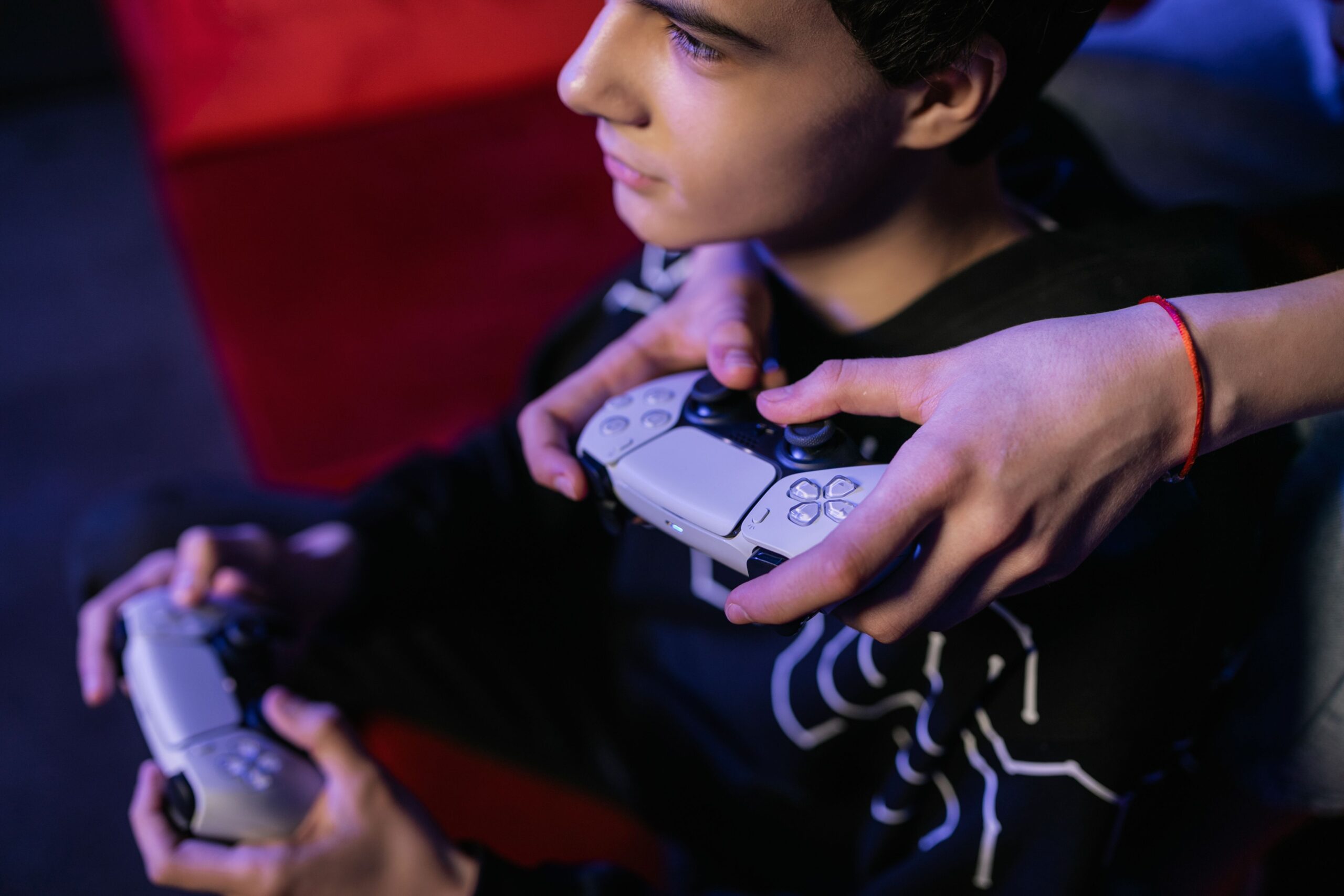
Every button press is a small, immediate signal that the game has responded.
Reward Loops and Where Game Design Meets Gambling Psychology
Variable rewards are one of the most powerful tools in game design. When a loot drop or a rare item arrives at unpredictable intervals, players tend to keep going because the next reward could be just around the corner. The same mechanic is at the heart of real-money gambling, which is why researchers often discuss the two side by side.
Readers who follow this topic may notice that casino review sites use similar psychology in their own pitch. Platforms such as Crazyvegas compare operators across a range of features, and if you want to see how real-money sites compare on returns, you can start with this guide to the best payout casino listings. Whatever you choose to play, keep spending limits in place and treat any wager as entertainment you can afford to lose.
Social Bonds Keep Players Logging On
Many games are no longer solitary experiences. Team raids, co-op missions, voice chat, and shared leaderboards turn play into a social activity. Friends set schedules around sessions, and the fear of letting a squad down can be as motivating as any in-game reward. Motivation research has identified social interaction as one of the core reasons people choose to play digital games, alongside escapism and the desire to achieve goals.

Shared play turns a single session into a regular catch-up with friends.
Immersion, Escape, and the Gaming Environment
Immersion is another major driver. When a player loses track of time and the outside world fades, the game has achieved what designers call flow. Sound design, lighting, and carefully paced storytelling all help create that state. A 2010 motivational model of video game engagement, published in Review of General Psychology, argued that games appeal because they satisfy basic psychological needs for competence, autonomy, and relatedness. Immersive spaces, from dedicated tournament rooms to a well-lit home setup, can amplify that effect.

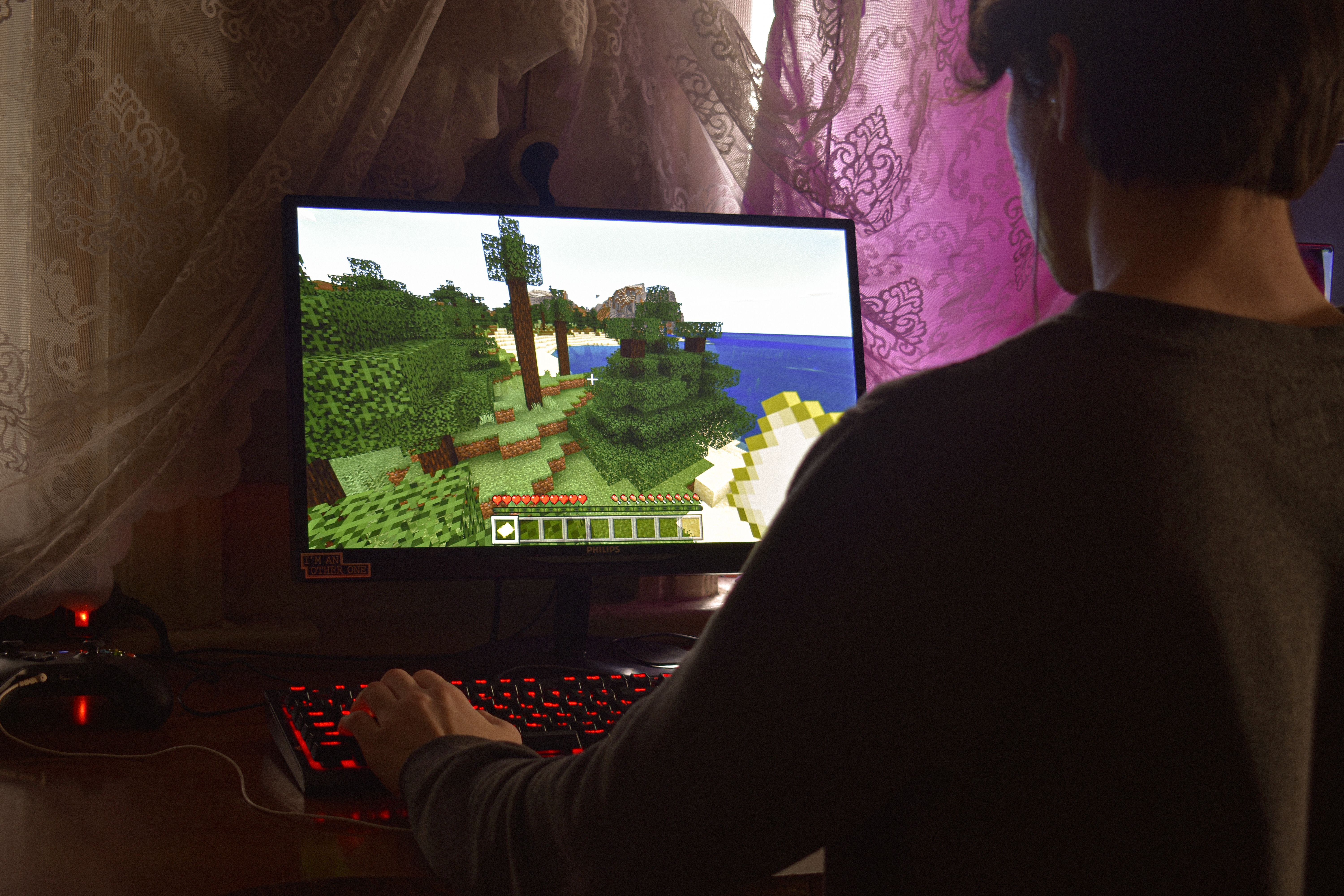
A dedicated play space can make a session feel like an event in its own right.
Staying Engaged Without Losing Balance
Engagement is not a flaw in games; it is the reason they exist. The trouble starts when play crowds out sleep, work, or relationships. Setting session timers, scheduling breaks, and choosing games with a defined ending can help keep the experience satisfying. Players who understand why a game grabs them are often better placed to decide how much time it deserves.
The next time a single more round turns into two hours, it may be worth asking which need the game is meeting: a sense of mastery, a puzzle to solve, or time with friends. Knowing the answer does not make the game any less fun, but it does make the choice to keep playing a little more deliberate.