

Entertainment used to mean a television schedule, a trip to the cinema, or a game bought once on a disc. Today it is more likely to be a monthly subscription, a purchase made with a tap on a phone, or a multiplayer session that runs for years. Three forces are driving that shift: streaming video, interactive gaming, and digital payments. Each one changes the others, and together they are redefining what entertainment businesses sell and how audiences pay for it.
Streaming has moved from growth to monetization

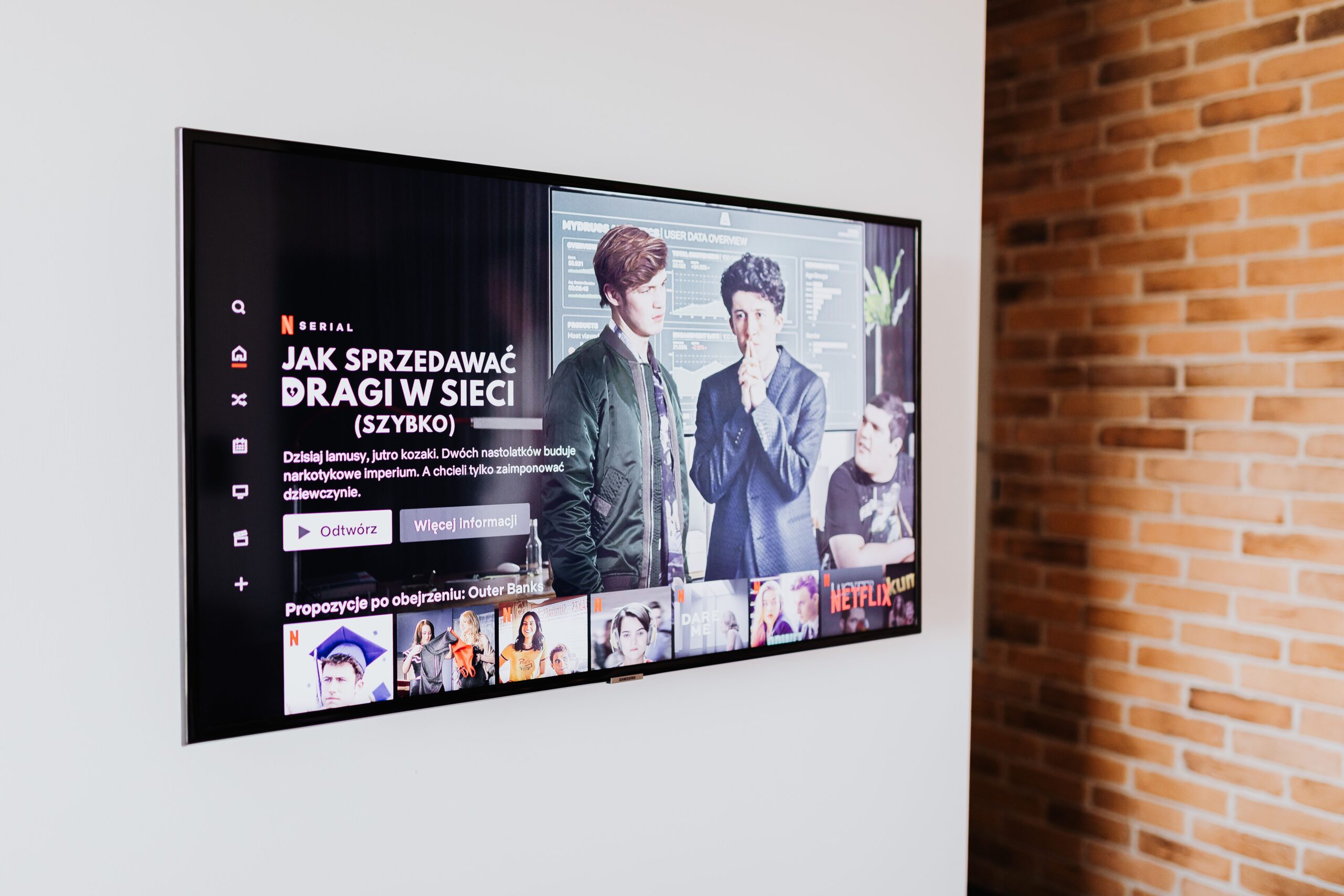
Streaming services now compete on multiple devices, from laptops to tablets.
For most of the past decade, the streaming story was about adding subscribers. That phase is maturing. Market researcher Omdia reported that global online video subscriptions reached 2.24 billion at the end of 2025, a 17.6% rise that was driven largely by cheaper ad-supported tiers. The same data showed online video revenue overtaking pay-TV for the first time, reaching $176 billion. Growth in subscriber numbers is now expected to slow, and platforms are focusing on getting more money from the viewers they already have.
That shift explains why price increases, bundles, and advertising are appearing everywhere. Ad-supported plans bring in new viewers at a lower price, while premium tiers and bundled packages are designed to raise average revenue per customer. For viewers, the result is a familiar trade-off: cheaper access in exchange for commercials, or higher bills for an ad-free experience.
Gaming is becoming a long-term entertainment habit

Shared play sessions help keep players returning to the same titles for years.
Video games are no longer a series of one-off releases. Market analyst Newzoo forecasts the global games market to reach $213.9 billion in 2026, up 6.1% year on year, with mobile alone accounting for $121.1 billion. Many of the strongest revenue streams come from games that players return to for years, through in-game purchases, seasonal content, and subscription services. Older titles such as Grand Theft Auto V still rank among the top sellers more than a decade after release.
This long-life model rewards studios that keep players engaged rather than those that simply launch the most titles. It also means that the way players pay, whether through a console store, a mobile app, or a web shop, now shapes the economics of the whole industry. Small transactions repeated over many months can add up to more than a single large purchase.
Digital payments make small purchases easy

Contactless and mobile payments have made small, frequent purchases routine.
Payments are the quiet engine behind both streaming and gaming. Central banks have tracked a steady move away from cash toward electronic methods. In a Bank for International Settlements review of retail payment trends, average yearly cashless payments per person in advanced economies rose from 426 to 468 in 2022, while cash withdrawals and small-denomination banknotes declined. Easy payments on a phone encourage the micro-transactions that gaming and streaming depend on, from a $2 in-game item to a single day’s access to a premium title.
Payment choice also reaches into more specialized corners of the digital market. Some operators in online gambling, for example, have started to accept digital currencies alongside cards and bank transfers. Readers who want to understand how these options work in practice can compare the banking and deposit methods offered by crypto casinos, which document how digital currency deposits and withdrawals are handled. As with any financial product, it is worth checking fees, verification rules, and local regulations before depositing funds.
Where the three trends meet
The clearest sign of convergence is the bundle. A single subscription may combine video, music, and game access, while the payment method stored on a phone may cover all of them. Platforms that control the payment relationship can offer discounts, loyalty points, or cross-promotions that keep users inside their ecosystem. Competition is therefore no longer only about who has the best show or the best game. It is also about who makes buying and staying the easiest.
Emerging markets illustrate the point well. Digital wallets have grown quickly in parts of Latin America, and the adoption of mobile payments is opening entertainment to audiences who previously had no card or bank account. That expansion gives streaming and gaming companies a new source of growth, but it also raises questions about pricing, data handling, and consumer protection that the industry is still working through.
What to watch next
The next few years will likely be defined by how well entertainment companies balance affordability with profit. Lower-cost tiers can bring in new audiences, while higher prices and smarter bundles can protect margins. Games will continue to rely on repeat spending, and payment systems will keep getting faster and more convenient. For consumers, the practical lesson is simple: the cost of entertainment is now shaped as much by payment design and subscription structure as by the content itself. Reviewing those details before committing can make a noticeable difference to what you actually pay.